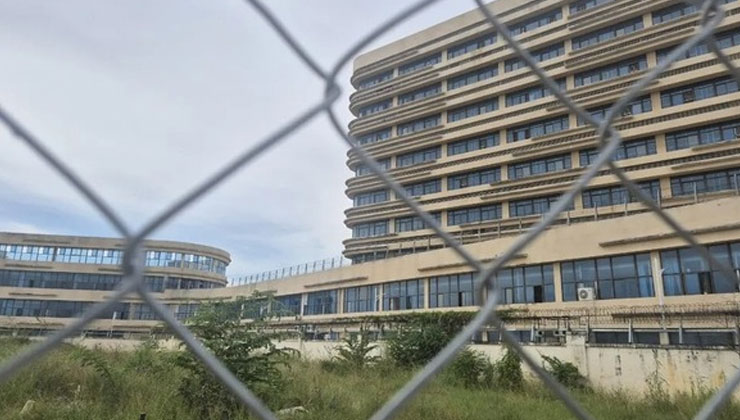
How grey market technology fuels fraud in Southeast Asia

The fraud industry in Southeast Asia has evolved into a highly professional network that leverages modern technologies to defraud victims on a massive scale. A significant part of this success relies on the use of gray market methods—tools and equipment acquired through unofficial or illegal channels that exploit loopholes in the law. Third-party advertising services, particularly from China and Malaysia, further contribute to this success. These intermediaries provide fraudsters with the tools, platforms, and strategies to deceive victims through novel channels, creating a difficult-to-dismantle and lucrative shadow economy. These technologies enable fraudsters to operate effectively and make it increasingly difficult to track and investigate them. Criminal networks employ advanced techniques such as malware, artificial intelligence (AI), and deepfakes to enhance the sophistication and reach of their scams.
A prominent example is the so-called "pig slaughter scam," in which victims are tricked into investing in fraudulent cryptocurrency schemes. Platforms like the Cambodian company Huiwang Guarantee play a central role in this ecosystem, facilitating services such as victim recruitment, money laundering, and human trafficking for fraudsters.
The financial impact of these scams is immense. In 2023, cyber fraudsters in Southeast Asia netted an incredible $37 billion, with AI-powered crime contributing significantly to this surge. The use of advanced technologies has made these scams more convincing and harder to detect, posing major challenges for law enforcement.
Efforts to combat these illegal activities continue. For example, Laos is intensifying its efforts against cyber fraud within its borders, focusing particularly on the Golden Triangle Special Economic Zone, notorious for its numerous fraud hubs. Authorities have ordered the closure of these zones in response to international pressure and their detrimental impact on regional security.
What is the Gray Market (Technology)?
The term "gray market technology" refers to hardware, software, and digital tools acquired outside of authorized distribution channels. Unlike black market goods, these items are generally legally manufactured but sold or repurposed to circumvent regulations, licenses, or government oversight. In the fraud industry, gray market technology encompasses counterfeit devices, unauthorized software, and untraceable communication tools. While not illegal per se, this technology is frequently exploited by criminal organizations due to its low cost and lack of regulation. In Southeast Asia, gray market technology forms the basis for a wide range of activities, from phishing attacks to cryptocurrency fraud.
How do fraudsters use the gray market for their scams?
Untraceable Communication Tools
Voice over Internet Protocol (VIP) Systems: VoIP technology allows fraudsters to spoof phone numbers from other regions or countries, making the victim's actions appear legitimate.
SIM Card Cloning: Fraudsters use gray market SIM cards or cloning devices to manipulate phone numbers for fraudulent activities.
Encrypted Messaging Apps: Gray market versions of popular apps offer increased anonymity and make it more difficult for authorities to intercept communications.
Spoofing and Phishing Tools
Caller ID Spoofers: Scammers use these devices to impersonate trusted organizations such as banks or government agencies.
Phishing Toolkits: Pre-built software from the gray market allows fraudsters to create fake websites or emails to steal sensitive data.
Fake Domain Registration: Gray market platforms can create domains that closely resemble legitimate websites, tricking victims into revealing their personal information.
Digital Payments and Money Laundering Solutions
Cryptocurrency Wallets: Gray market wallets that do not require KYC (Know Your Customer) verification are used to launder stolen funds.
Payment Gateways: Unauthorized or compromised payment systems facilitate the cross-border flow of illicit funds.
Devices with hardware vulnerabilities: Smartphones and laptops from the gray market, pre-installed with malware, are used for data collection.
Devices for ATM card skimming: Devices acquired through the gray market help fraudsters steal card information from ATMs.
Spy devices: Tools such as hidden cameras and keyloggers are frequently used.

K. Winn Allen Attorney
We understand the anxiety and pressure behind every case. Our professional team provides one-on-one legal support, quickly develops a rights protection strategy, helps you recover losses, and safeguards your interests. Contact us now to receive a tailored solution.